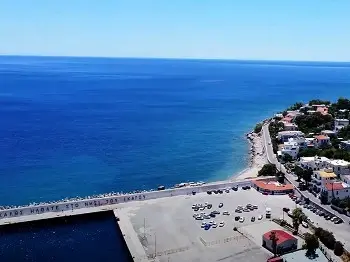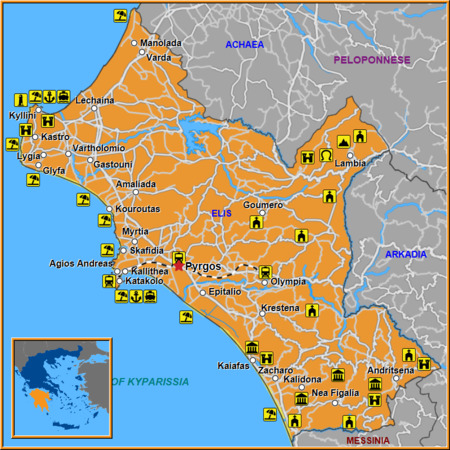
Pyrgos, a charming town nestled in the heart of Elis, offers travelers a blend of history, culture, and natural beauty that often goes unnoticed by mainstream guides. By following this map‑based exploration guide, you’ll uncover the most captivating spots, from ancient ruins to tranquil villages, all within easy reach.
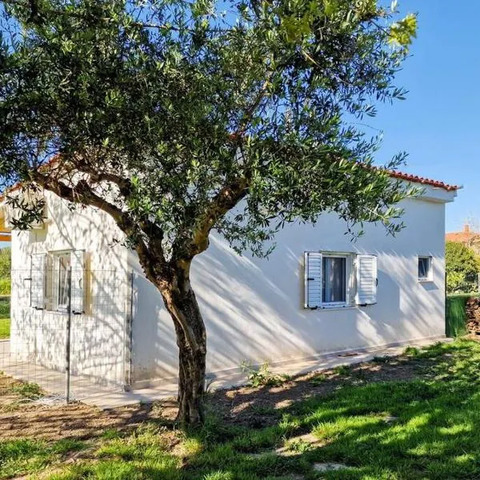
We suggest for your stay:
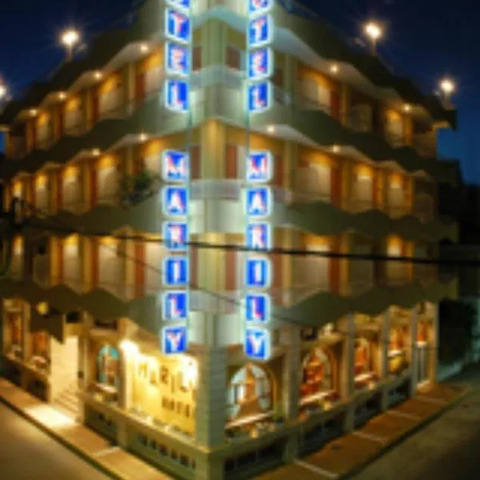
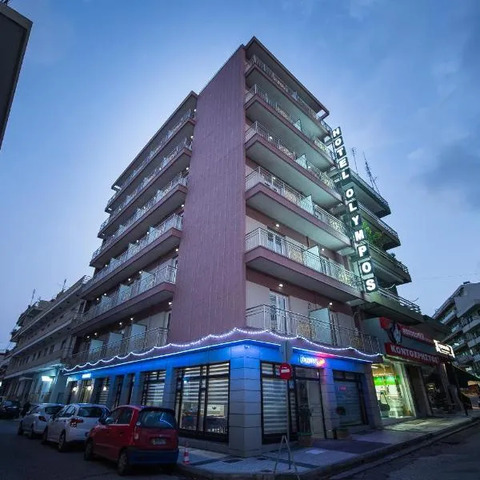

Still Looking for the Perfect Stay?

Why Map‑Based Exploration Matters
Using a detailed map as your compass lets you:
Plan efficient routes between attractions.
Spot lesser‑known landmarks that are off the beaten path.
Create personalized itineraries based on interests and time constraints.
Key Highlights in Pyrgos
Pyrgos Castle (Kastro) – Perched atop a hill, this medieval fortress offers panoramic views of the surrounding plains and the Ionian Sea.
Agios Georgios Church – A 19th‑century stone church with intricate frescoes that reflect local religious artistry.
Central Market Square – Vibrant stalls selling fresh produce, olive oil, and traditional Greek pastries.
The Archaeological Museum of Pyrgos – Home to artifacts from the Mycenaean era, showcasing the region’s rich past.
Lake Kourkoura Trail – A serene walking path around a freshwater lake, perfect for birdwatching and picnics.
Hidden Gems Worth Visiting
Epitalio Village – Just 7 km from Pyrgos, this idyllic settlement offers stone‑walled houses and a quiet atmosphere ideal for reflective walks.
Myrtia Village – Known for its aromatic wild thyme fields and traditional pottery workshops.
Kallithea Village – A coastal haven with crystal‑clear waters and a historic lighthouse that dates back to the 18th century.
Skafidia Village – Features lush olive groves and a small museum dedicated to local folklore.
Katakolo Village – Famous for its fresh seafood tavernas overlooking the sea, especially during sunset.
Agios Andreas Small Village – A hidden gem where you can experience authentic Greek village life and enjoy homemade feta cheese.
Amaliada Town – Located about 12 km away, this bustling town offers a lively market, modern amenities, and easy access to the nearby beach.
Practical Tips for Travelers
Best Time to Visit: Late spring (May–June) or early autumn (September) when temperatures are mild and crowds thin.
Transportation: Renting a car provides flexibility; however, local buses connect Pyrgos with neighboring villages.
Accommodation: Choose from family‑run guesthouses in the town center for an intimate experience or boutique hotels near the lake for scenic views.
Cuisine: Don’t miss the local bougatsa (sweet pastry) and freshly caught fish at seaside taverns.
How to Use This Map Effectively
Mark Your Starting Point – Begin at the town square, where most transport hubs are located.
Plot a Route – Highlight key sites on your map, grouping them by proximity to minimize backtracking.
Allocate Time Slots – Assign morning, afternoon, and evening slots based on each site’s opening hours and peak visitor times.
Add Notes – Write brief reminders about special events (e.g., weekly markets) or local customs you should observe.
Stay Flexible – Allow room for spontaneous detours; some of the best discoveries happen when you wander off the planned path.
Final Thoughts
Pyrgos and its surrounding villages offer a tapestry of experiences that cater to history buffs, nature lovers, and culinary explorers alike. By leveraging a detailed map and this guide, you’ll navigate the hidden gems with confidence, ensuring an unforgettable journey through one of Greece’s most enchanting regions.