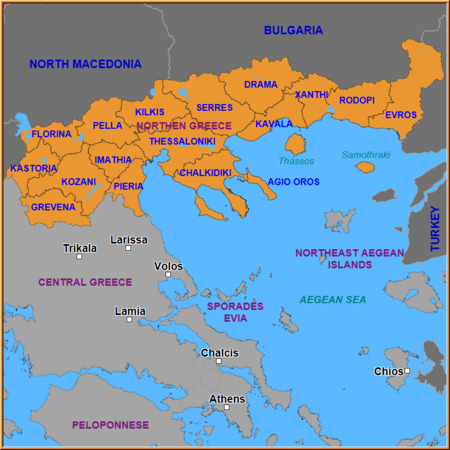
Northern Greece is a tapestry of dramatic mountains, serene lakes, ancient ruins, and vibrant towns that invite travelers to explore beyond the well‑known tourist routes. By following a detailed map of this region, you can uncover hidden gems that showcase the diversity of its natural beauty and rich heritage.
We suggest for your stay:
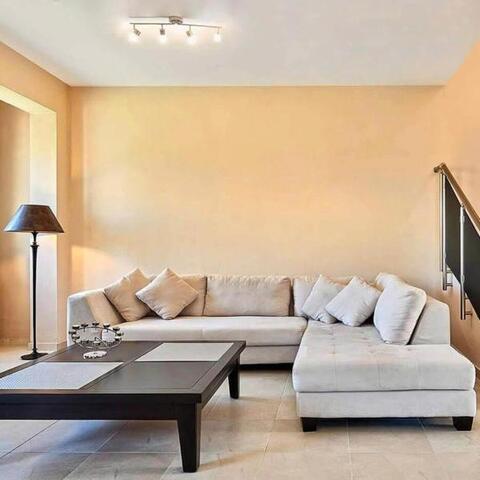
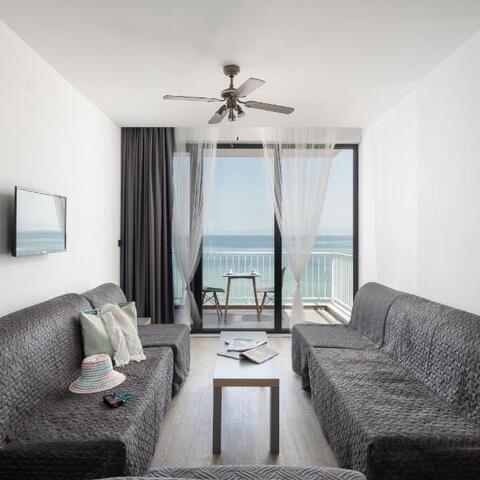
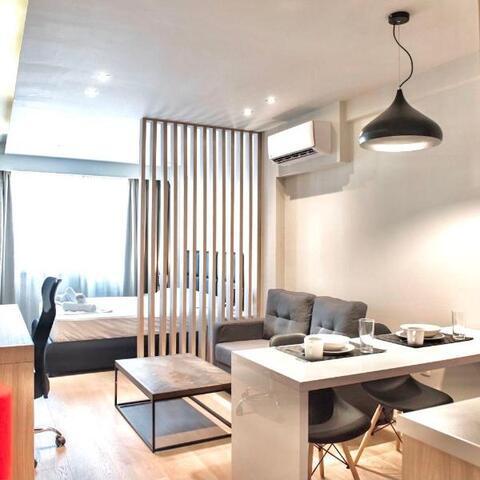
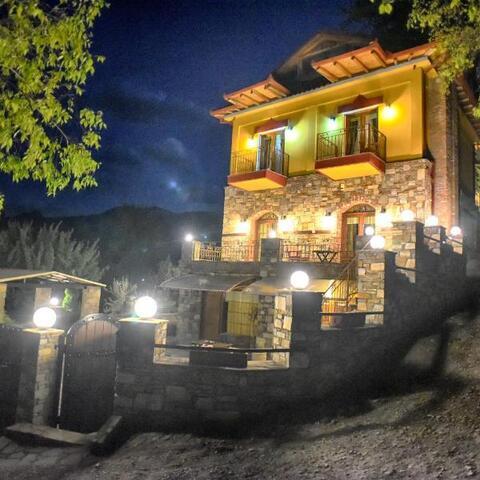
Still Looking for the Perfect Stay?

The Mountainous Backdrop
Pindus Range – Often called the “spine” of Greece, these mountains offer rugged trails, traditional shepherd villages, and panoramic views of the Aegean Sea.
Mount Olympus – Mythic and majestic, it’s a haven for hikers seeking sunrise vistas over the surrounding valleys.
Vourinos Mountains – Less crowded, this area features limestone caves and pristine alpine lakes that are perfect for quiet retreats.
Lakes and Rivers: Natural Sanctuaries
Lake Ioannina (Lakes of Ioannina) – A glacial lake surrounded by pine forests; its crystal‑clear waters reflect the nearby town’s historic architecture.
River Axios – Flowing into the Thermaic Gulf, this river corridor supports diverse ecosystems and offers kayaking opportunities.
Lake Prespa – Straddling the borders of Greece, Albania, and North Macedonia, it is a UNESCO World Heritage site with unique birdlife.

Ancient Ruins & Historical Sites
Vergina (Aigai) – The burial ground of Philip II, father of Alexander the Great, reveals royal tombs and artifacts that illuminate Hellenic history.
Mount Athos – A monastic peninsula where monks have lived for centuries; its monasteries are architectural masterpieces and spiritual centers.
Thessaloniki’s White Tower & Rotunda – Iconic landmarks that echo the city’s Byzantine past.
Cultural Hotspots: Cities, Towns, and Villages
Northern Greece boasts a mix of bustling urban centers and charming rural communities:
Thessaloniki – The second‑largest city in Greece, known for its vibrant nightlife, culinary scene, and the UNESCO‑listed Ano Poli (Upper Town).
Ioannina – A university town with a picturesque castle on an island in Lake Ioannina, offering museums and lively markets.
Veria – Often called the “City of Seven Churches,” it houses medieval monasteries and traditional Ottoman architecture.
Kavala – A port city where the ancient Agora meets modern cafés; its seaside promenade is ideal for sunset strolls.
Pella – The birthplace of Alexander the Great, featuring a well‑preserved archaeological park.
Meteora (near Kalambaka) – Though slightly south of the core northern region, its monasteries perched atop towering rock formations are a must‑visit for awe‑inspiring views.
Practical Tips for Travelers
Best Time to Visit: Late spring (May–June) and early autumn (September–October) offer mild weather and fewer crowds.
Getting Around: Rent a car or use regional buses; many remote villages are only accessible by road.
Local Cuisine: Try bougatsa in Thessaloniki, fresh trout from Lake Prespa, and the famous moussaka in Veria.
Respect Local Customs: When visiting monasteries or rural communities, dress modestly and ask permission before photographing people.
Why a Map Matters
A detailed map of Northern Greece is more than a navigation tool; it’s a guide to hidden pathways, secret viewpoints, and cultural intersections that you might otherwise miss. By planning your route with this map, you’ll experience the region’s diverse landscapes—from soaring peaks to tranquil waters—and its rich cultural tapestry, all while avoiding the typical tourist crowds.
Final Thoughts
Northern Greece offers an unforgettable blend of nature, history, and modern life. Whether you’re a seasoned traveler or a curious explorer, let this map be your compass to uncover the region’s hidden gems and create memories that last a lifetime.


