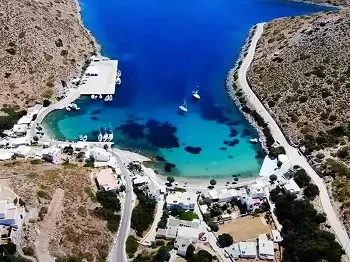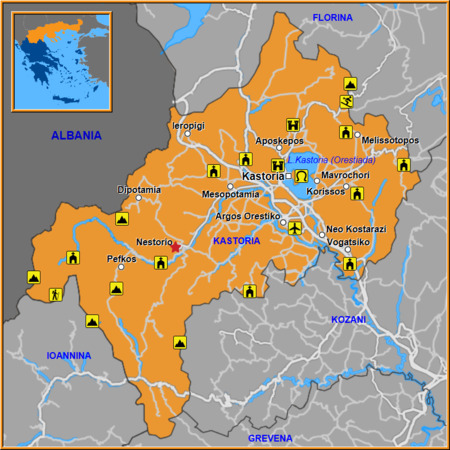
Nestorio, perched on the slopes of Mount Ptolemaida, offers a blend of serene landscapes, rich history, and warm hospitality. This guide will walk you through its most captivating spots, local traditions, and nearby villages that share its charm.
We suggest for your stay:

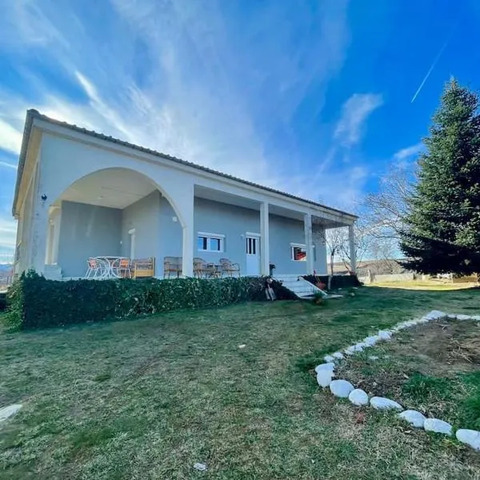
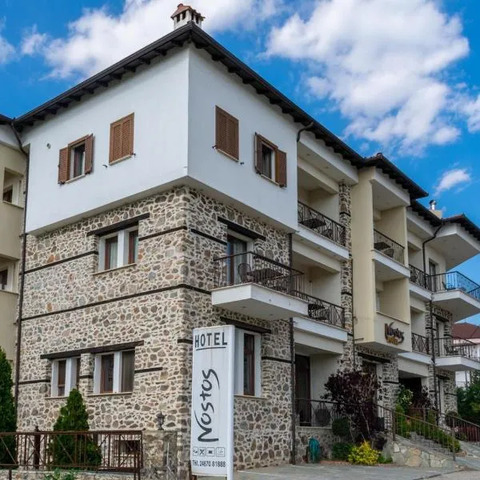

Still Looking for the Perfect Stay?

Why Nestorio Matters
Strategic Location: Nestled between the Vitsi and Ptolemaida mountains, it’s a natural crossroads for hikers and history buffs.
Cultural Heritage: The village preserves Byzantine architecture, traditional crafts, and folklore that echo Kastoria’s broader legacy.
Eco‑Tourism Hub: With pristine rivers, alpine meadows, and diverse wildlife, Nestorio is perfect for sustainable travel.
Top Attractions in Nestorio
The Church of Saint Demetrius – A 17th‑century stone church with frescoes that narrate local legends.
Nestorio Old Town Walk – Cobblestone lanes, Ottoman‑era houses, and artisan workshops where you can buy hand‑woven textiles.
Ptolemaida Mountain Trail – Offers panoramic views of the Vitsi range; a moderate hike that rewards with sunrise vistas.
Local Market (Mikros Merkato) – Every Saturday morning locals sell fresh cheese, honey, and homemade pastries.
Nestorio Museum of Folk Art – Displays traditional costumes, tools, and photographs documenting village life through the 20th century.

Culinary Highlights
Kastorian Cheese: Creamy and slightly salty, best paired with local olives.
Moussaka with Mountain Herbs: A twist on the classic dish featuring herbs harvested from nearby meadows.
Baklava with Greek Honey: Sweet layers of filo pastry drenched in honey, a favorite among visitors.
Nearby Villages Worth Visiting
Nestorio’s proximity to several charming settlements makes it an ideal base for exploring Kastoria’s hidden corners:
Pefkos: A small village known for its traditional stone houses and peaceful river walks.
Dipotamia: Famous for its ancient cave paintings and a quiet lake that reflects the surrounding peaks.
Mesopotamia Town: Offers a bustling market scene and historic Ottoman bathhouses.
Damaskinia Village: Renowned for its wildflower meadows and local honey production.
Polykastano: A picturesque hamlet with terraced vineyards producing unique white wines.
Argos Orestiko: Known for its medieval fortress ruins overlooking the valley.
Ieropigi: Features a serene monastery perched on a hilltop, offering spiritual retreats and breathtaking sunsets.
Practical Tips for Travelers
Best Time to Visit: Late spring (May–June) and early autumn (September) provide mild weather and fewer crowds.
Getting There: Public buses connect Nestorio to Kastoria city center; private taxis are available for more remote villages.
Accommodation: Choose from family‑run guesthouses or eco‑lodges that blend modern comfort with traditional aesthetics.
Language: Greek is the primary language, but many locals speak English in tourist areas.
Sustainable Travel Advice
Respect local customs by dressing modestly when visiting churches. Dispose of waste responsibly—many villages have limited recycling facilities. Support community projects by purchasing locally produced crafts and food items.
By exploring Nestorio and its neighboring villages, you’ll experience the authentic soul of Kastoria’s enchanting region—a tapestry woven from nature, history, and heartfelt hospitality.