Kampos, a charming village tucked between the cliffs and olive groves of Patmos, offers travelers an authentic slice of island life. Its winding streets, stone houses, and panoramic sea views make it a must‑visit for anyone craving a captivating island adventure.
We suggest for your stay:
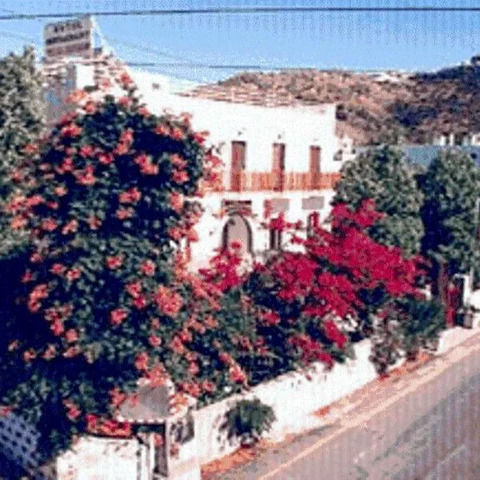
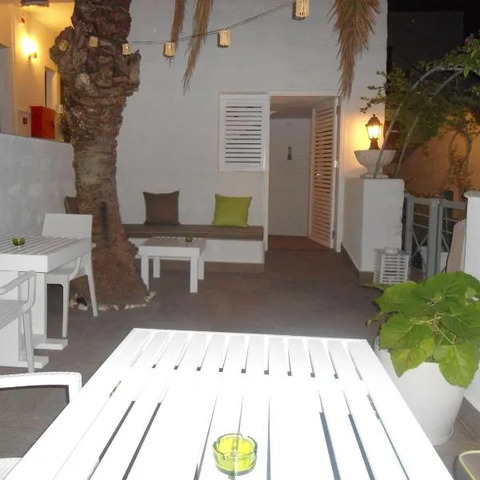
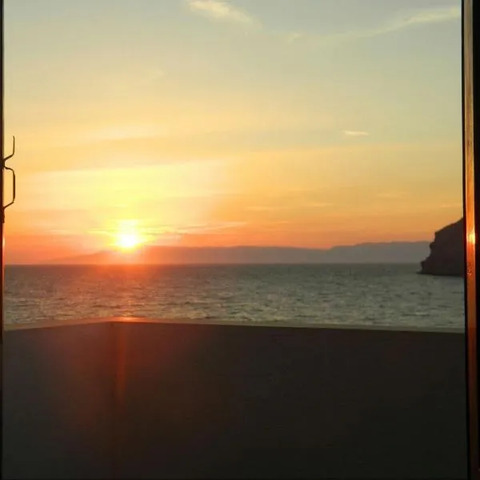
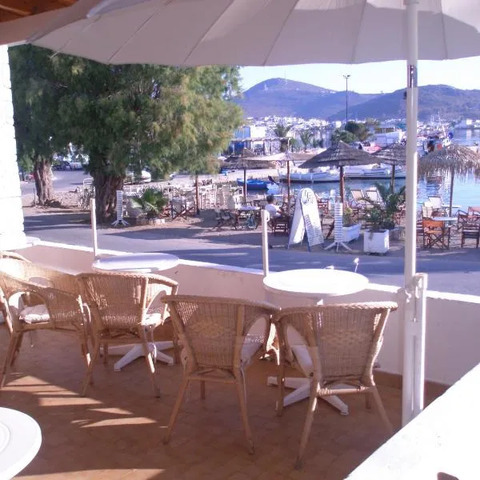
Still Looking for the Perfect Stay?

Why Kampos Stands Out
Historic charm: The village’s architecture reflects centuries of Greek heritage, with narrow alleys leading to ancient churches and traditional tavernas.
Natural beauty: From the cliffs overlooking the Aegean to the lush olive trees that line its roads, Kampos is a visual feast for photographers and nature lovers alike.
Cultural immersion: Locals welcome visitors with warm hospitality, offering insights into Patmos’ folklore and culinary traditions.
Navigating the Map of Kampos
The village’s layout is simple yet intriguing. Start at the central square where a small fountain invites you to pause. From there:
Head east toward the sea; the path leads to a secluded beach perfect for sunrise swims.
Turn north into the olive groves; follow the trail to a historic monastery perched on a cliff—an excellent spot for sunset views.
Return west through cobblestone streets to explore local shops selling handmade ceramics and fresh produce.

Nearby Gems Worth Exploring
While Kampos itself is enchanting, several nearby villages and towns offer additional adventures:
Lefkes: A small village known for its traditional stone houses and quiet seaside promenade.
Livadi Kalogiron: Famous for its pristine beach and crystal‑clear waters—ideal for snorkeling.
Lampi: A picturesque hamlet where you can taste local honey and olive oil straight from the source.
Merika: Offers a peaceful escape with lush vineyards and panoramic views of the island’s interior.
To Meloi: Known for its vibrant market stalls selling fresh figs, olives, and handmade textiles.
Skala Town: A lively port town where you can catch ferries to nearby islands or enjoy a sunset dinner by the harbor.
Patmos Chora: The island’s capital, home to historic churches, museums, and bustling cafés—perfect for an afternoon stroll.
Grikos Village: A quiet spot ideal for hiking trails that wind through ancient olive groves.
Practical Tips for Travelers
Best time to visit: Late spring (May–June) or early autumn (September) offer mild weather and fewer crowds.
Getting around: Buses connect Kampos with neighboring villages, but renting a scooter gives you the freedom to explore at your own pace.
Accommodation: Choose from cozy guesthouses in Kampos that provide local cuisine or stay in nearby Skala for more modern amenities.
Safety: The island is generally safe; however, always carry water and sunscreen when hiking along cliff paths.
Culinary Highlights
Patmos’ culinary scene blends Mediterranean flavors with local ingredients:
Moussaka prepared with fresh eggplant from the surrounding hills.
Fresh seafood caught daily in Livadi Kalogiron’s waters, served grilled or in a traditional stew.
Baklava from a family bakery in Merika—rich and fragrant.
Final Thoughts
Kampos is more than just a village; it’s an invitation to step back in time while enjoying the natural splendor of Patmos. By exploring its streets, nearby hamlets, and local cuisine, you’ll uncover a captivating island adventure that stays with you long after you leave.