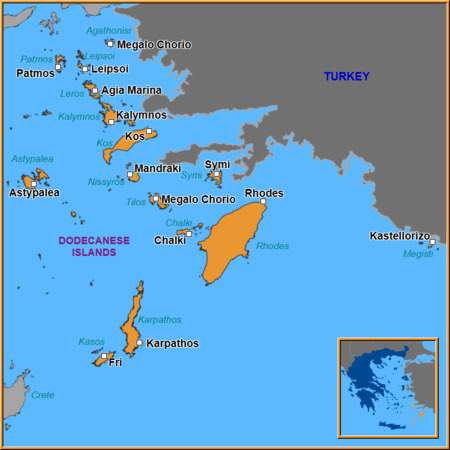
The Dodecanese—a chain of 12 islands in the southeastern Aegean Sea—offers a tapestry of history, culture, and breathtaking landscapes that go far beyond the well‑known tourist spots. By following a thoughtfully curated map, travelers can uncover ancient ruins, crystal‑clear coves, and charming villages that whisper stories from centuries past.
We suggest for your stay:



Still Looking for the Perfect Stay?

The Historical Pulse: From Ancient Thrace to Ottoman Legacy
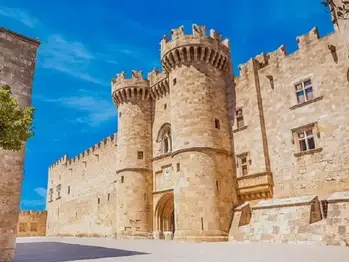
Rhodes – The island’s capital hosts the Palace of the Grand Master and the medieval Old Town, a UNESCO World Heritage site. Wander through cobblestone streets lined with Venetian arches and discover hidden courtyards that once sheltered merchants.
Kos – Home to the Archaeological Museum, showcasing artifacts from the Hellenistic period. The island’s ancient theater still hosts performances during summer festivals.
Patmos – Though smaller, it houses the Monastery of Saint John where the Book of Revelation was allegedly written. Pilgrims and history buffs alike find spiritual resonance here.
Natural Wonders: From White‑Sand Beaches to Rugged Peaks
Lemnos – The island’s highest point, Mount Kastron, offers panoramic views of the Aegean and surrounding islands. Hiking trails wind through pine forests and ancient burial mounds.
Samos – Known for its lush vineyards and the Pythagoras Cave, where the famous mathematician is said to have lived. The island’s coastline features hidden coves accessible only by boat or foot.
Symi – A small, picturesque harbor town with pastel‑colored neoclassical houses. Its surrounding cliffs are perfect for cliff‑side walks and spotting sea turtles during nesting season.
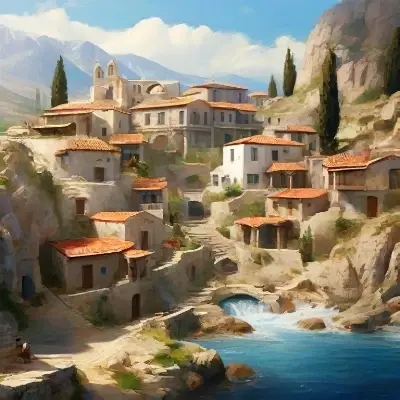
Urban Charms: Cities, Towns, and Villages Worth Visiting
The Dodecanese’s urban centers blend modern amenities with historic ambiance:
Rhodes City – The bustling market stalls sell local honey, olives, and handmade lace.
Kos Town – A lively promenade lined with cafés that overlook the harbor; perfect for sunset strolls.
Patmos Village – Quiet streets lined with stone houses where locals still practice traditional crafts.
Leros Town – Known for its Chora (old town) and the Monastery of Saint John the Baptist, offering a serene escape from tourist crowds.
Practical Tips for Navigating the Map
Plan Your Route – Start in Rhodes, then hop to Kos, followed by Patmos, Samos, Lemnos, and finish on Symi or Leros.
Local Transport – Ferries run frequently between islands; consider a Dodecanese ferry pass for flexibility.
Seasonal Considerations – Late spring (May–June) and early fall (September–October) provide mild weather, fewer crowds, and vibrant local festivals.
Cultural Etiquette – Respect local customs: dress modestly when visiting monasteries and always ask permission before photographing residents.
Culinary Highlights to Pair with Your Journey
Moussaka in Rhodes’ tavernas, served with a side of fresh Greek salad.
Fresh seafood platters on Kos, especially the grilled octopus wrapped in local herbs.
Patmos’ famous Lefkara lace pastries, sweet treats that reflect the island’s artisanal heritage.
By following this map and immersing yourself in both the storied past and natural beauty of the Dodecanese, you’ll discover a region where every corner tells a tale—and every vista is worth the journey.