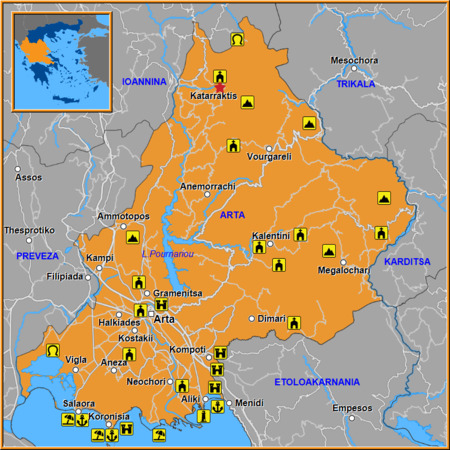
Katarraktis Village, tucked away in the heart of the Epirus region, offers travelers a blend of serene landscapes, rich history, and authentic Greek hospitality. Whether you’re an avid hiker, a history buff, or simply seeking a quiet escape, this guide will help you navigate its trails, uncover its secrets, and connect with the surrounding villages.
We suggest for your stay:
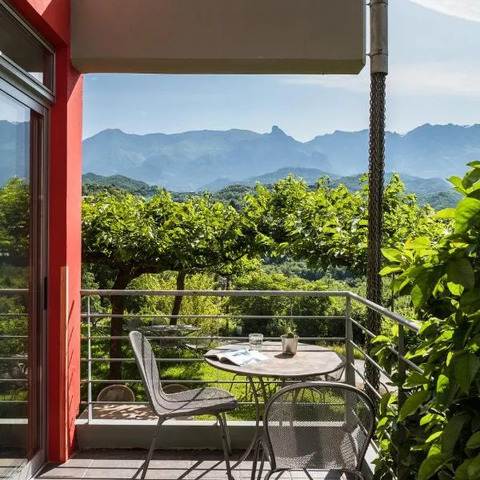
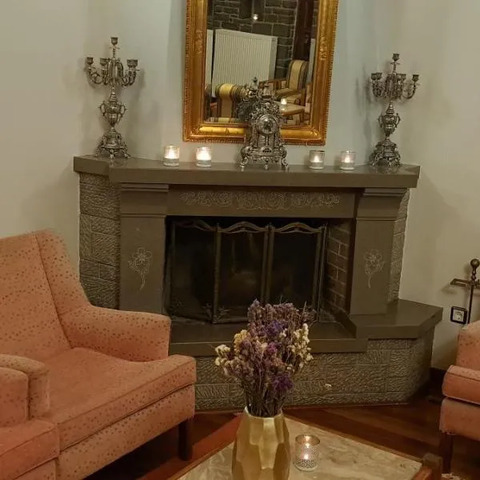
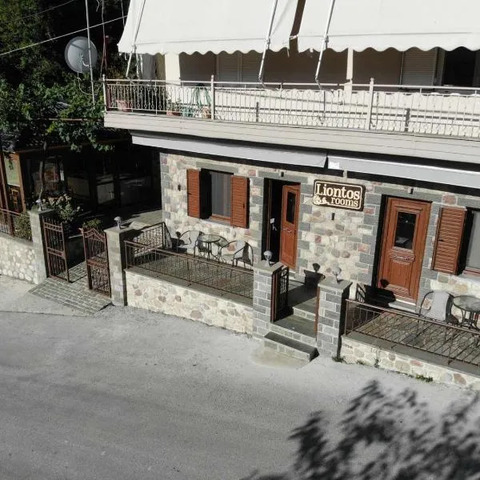
Still Looking for the Perfect Stay?

Why Katarraktis Stands Out
Strategic Location: Nestled between the Pindus mountains and the Arachthos River, Katarraktis serves as a natural crossroads for ancient trade routes.
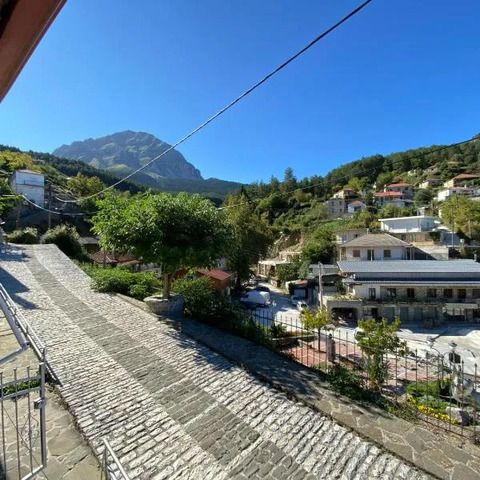
Cultural Heritage: The village preserves traditional architecture, with stone houses and narrow lanes that echo centuries of Greek life.
Natural Wonders: From cascading waterfalls to lush pine forests, the area is a photographer’s paradise.
Must‑See Attractions in Katarraktis
The Old Bridge (Palaio Mosti) – A 19th‑century stone bridge that still carries locals across the river, offering panoramic views of the valley.
Holy Trinity Church – Built in the early 1900s, its frescoes depict local legends and are a testament to regional artistry.
Katarraktis Folklore Museum – Housed in an authentic village house, it showcases everyday tools, costumes, and oral histories from generations of residents.
Hiking Trail to the Waterfall – A moderate 2‑kilometer walk that rewards trekkers with a crystal‑clear waterfall and a small cave perfect for picnics.

Exploring Nearby Villages
The charm of Katarraktis extends beyond its borders. The following villages, all within a short drive, offer additional layers of history and natural beauty:
Pramanta Village – Known for its traditional stone terraces and local honey production.
Vourgareli Village – Features an ancient olive grove that has been cultivated since the Byzantine era.
Anemorrachi Village – Famous for its 18th‑century stone bridge and scenic river walks.
Mesochora Village – Home to a historic monastery with frescoes dating back to the 15th century.
Terovo Village – Offers breathtaking views of the surrounding mountains and is a popular spot for sunset photography.
Kalentini Small Village – A quiet hamlet where visitors can experience authentic rural Greek life.
Ammotopos Village – Known for its traditional music festivals held every summer, celebrating local folklore.
Practical Tips for Travelers
Best Time to Visit: Late spring (May‑June) and early autumn (September) provide mild weather and fewer crowds.
Getting There: The nearest major town is Arta, accessible by bus or car. From there, a local taxi can take you directly into Katarraktis.
Accommodation: Stay in a traditional guesthouse to immerse yourself fully in the village atmosphere.
Local Cuisine: Don’t miss the regional specialty, fava, served with fresh herbs and olive oil. Pair it with a glass of local white wine for an unforgettable meal.
Cultural Etiquette & Sustainability
Respecting local customs is essential. When visiting churches or monasteries, dress modestly and keep noise levels low. Support sustainable tourism by:
Choosing locally owned businesses.
Carrying reusable water bottles to reduce plastic waste.
Leaving no trace in natural areas—pack out what you bring in.
Final Thoughts
Katarraktis is more than a picturesque village; it’s a living museum where history, nature, and community intertwine. By exploring its trails, engaging with local artisans, and visiting neighboring villages, travelers will uncover the rich tapestry of Epirus that often goes unnoticed on mainstream itineraries.
Quick Reference Checklist
Visit Old Bridge & Holy Trinity Church
Hike to Waterfall
Explore Pramanta, Vourgareli, and other nearby villages
Try local fava dish
Respect cultural norms and practice eco‑friendly travel


