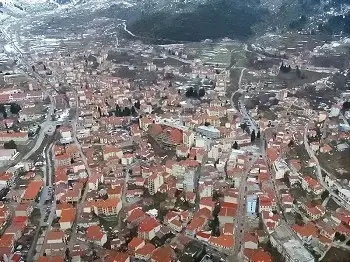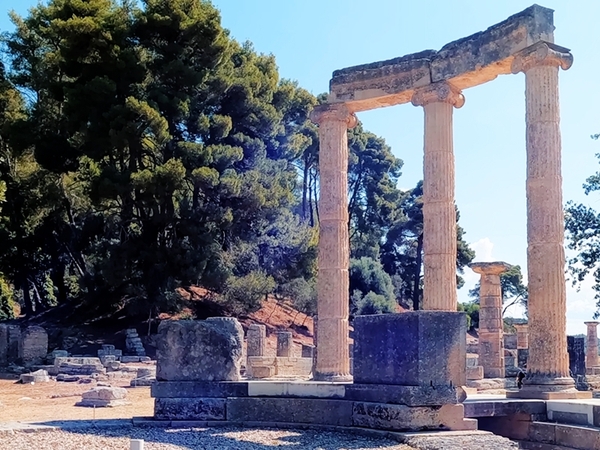
When most people think of winter travel, images of snowy mountains or bustling city lights come to mind. Yet there is a hidden gem that offers a different kind of chill—the cool, crisp air of ancient ruins and the gentle rustle of olive leaves in Greece’s southern region. Olympia, the birthplace of the Olympic Games, invites travelers to step into history while enjoying modern comforts.
We suggest for your stay:
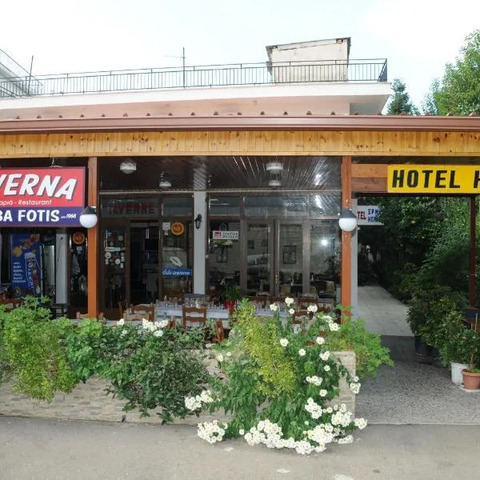
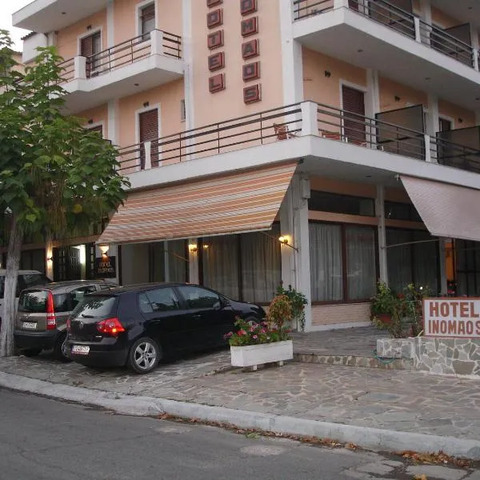
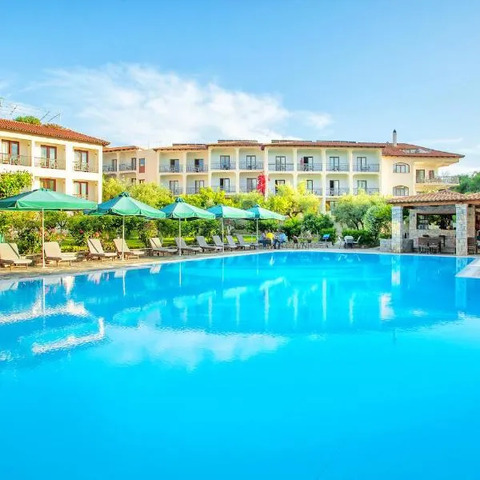
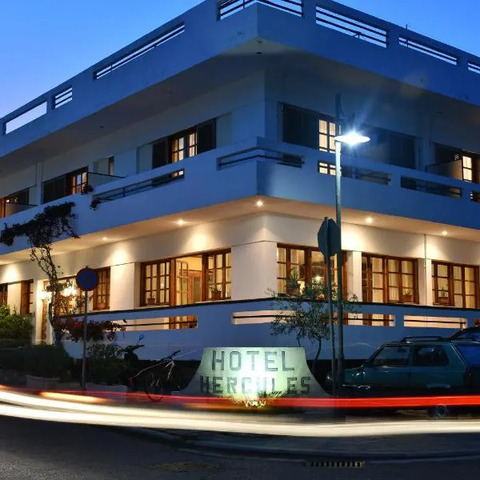
Still Looking for the Perfect Stay?

A Glimpse Into the Past
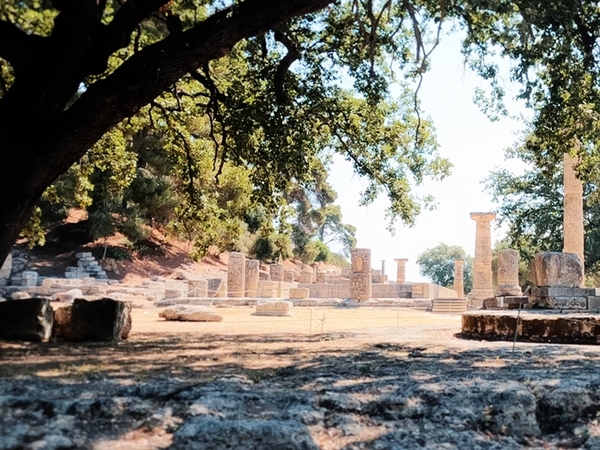
Olympia’s most famous landmark is the ancient stadium where athletes once raced on sand and competed for glory. In winter, the stone steps are dusted with a light frost that gives the site an almost ethereal quality. Visitors can walk through the temple of Zeus, where the marble columns stand tall against a pale sky, and imagine the roar of crowds from centuries ago.
Stadium: The main arena still holds the shape of its original design, with seating for 15,000 spectators.
Temple of Zeus: A marvel of Doric architecture, now a quiet place for reflection.
Museum of Olympia: Offers artifacts and interactive displays that bring ancient stories to life.
These sites are best explored during the winter months when crowds thin out. The cooler temperatures make long walks through the ruins more comfortable, and the sunrise over the plateau provides a breathtaking backdrop for photos.
Olive Groves in Harvest Afterglow
Beyond the stone monuments, Olympia is surrounded by lush olive groves that thrive even in the colder months. The olive trees stand tall against a pale winter sky, their leaves shimmering with dew. Local farmers harvest olives during this season, producing a unique flavor profile that reflects the cooler climate.
Harvesting: Visitors can join small groups to learn about traditional methods of pressing olives.
Tasting: Sample fresh olive oil and local cheeses made from goat’s milk.
Strolls: Walk through the groves at sunset, where the light casts golden hues across the landscape.
The afterglow of winter harvest is a sensory experience—smell of crushed olives, taste of briny oil, and sound of wind rustling through leaves. It offers a peaceful contrast to the bustling energy of ancient competitions.
Modern Peaceful Retreats
Olympia’s modern accommodations cater to travelers seeking both comfort and authenticity. From boutique hotels with panoramic views of the ruins to cozy guesthouses in nearby villages, there is something for every budget.
Boutique Hotels: Many feature traditional Greek décor, rooftop terraces, and free Wi‑Fi, allowing guests to enjoy a restful stay after a day of exploration.
Guesthouses: Located in the surrounding villages, these homes offer homemade meals and an intimate glimpse into local life.
Wellness Centers: Some resorts provide spa treatments using olive oil, providing a holistic experience that ties back to the region’s heritage.
All accommodations are within easy reach of the ancient sites, ensuring you can spend more time exploring and less time commuting.
Winter Activities Beyond Sightseeing
While Olympia is renowned for its historical significance, winter brings a range of activities that cater to adventure seekers and relaxation lovers alike:
Hiking: Trails around the plateau offer varying difficulty levels. The paths are less crowded in winter, providing solitude and breathtaking views.
Photography: The low light conditions create dramatic contrasts—perfect for capturing the ruins against a twilight sky.
Cultural Events: Local festivals celebrating olive harvests often occur during late autumn and early winter, featuring music, dance, and traditional cuisine.
Stargazing: With fewer artificial lights, the night sky over Olympia is clear and star-filled—ideal for amateur astronomers.

Planning Your Winter Trip
When planning a winter escape to Olympia, consider these practical tips:
Best Time: Late November through early March offers mild temperatures (10–15°C) and fewer tourists.
Transportation: The nearest airport is in Patras; from there, a 1.5‑hour drive takes you to the site. Renting a car gives flexibility for exploring surrounding villages.
Dress Code: Layered clothing works best—think light sweaters over breathable shirts, and comfortable walking shoes.
Local Etiquette: Respect the ruins by staying on marked paths and avoiding touching artifacts.
Conclusion
Olympia in winter is a place where history whispers through stone and olive trees. The ancient Olympic site stands as a testament to human ambition, while the surrounding groves offer a tranquil retreat that celebrates nature’s bounty. Whether you’re an avid historian, a culinary enthusiast, or simply looking for a peaceful getaway, Olympia’s winter charm invites you to experience a unique blend of ancient games and modern peace.